Whiplash compensation in Scotland: what it covers and how it is calculated
What whiplash compensation actually covers
If you have been injured in a road traffic accident in Scotland and suffered whiplash, the compensation you receive is not a single fixed sum. It is made up of different parts that reflect the real impact the injury has had on your life. Understanding these parts helps you see what a settlement or court award is meant to address and why amounts can vary so much between cases.
Whiplash is a soft tissue injury to the neck caused by a sudden jolt, most often in a rear-end collision. Even at low speeds, the force can strain muscles and ligaments. Symptoms may appear hours or days later and can last for weeks, months or, in some cases, years. The compensation system in Scotland recognises both the physical pain and the financial consequences of such an injury.
General damages: the injury itself
The largest part of most whiplash claims is general damages. This is the sum awarded for the pain, suffering and loss of amenity caused by the injury. In Scotland, the amount is guided by the Judicial College Guidelines, which set out brackets for different severities. A minor whiplash that resolves in a few months will attract a much lower figure than a moderate injury that causes persistent pain and limits daily activities for several years.
It is important to know that general damages are not about reimbursing what you spent. They are a legal recognition that you have endured something unpleasant and that your quality of life has been reduced. The more severe and prolonged the symptoms, the higher this part of the award will be.
Special damages: the financial losses
The second main category is special damages. This covers actual financial losses and expenses that have arisen directly because of the accident. Unlike general damages, these are calculated from receipts, invoices and statements. They require evidence, not just a description of what happened.
Common items under special damages include:
- Lost earnings from time off work, including overtime and bonuses you can prove you would have earned
- Treatment costs such as physiotherapy, chiropractic sessions or private medical consultations if you chose not to wait for NHS care
- Travel expenses for trips to appointments, whether by car, taxi or public transport
- Medication and prescription charges
You can also claim for help with household tasks that you could not do because of the injury, such as cleaning, gardening or childcare, if someone else did them for you. These are known as care costs and are included in special damages.
Future losses and ongoing costs
If your whiplash injury has long-term effects, the claim can also include compensation for future losses. This might cover ongoing lost earnings if you cannot return to your previous job or have to work reduced hours. It can also include the cost of future treatment or therapy that your medical prognosis suggests will be necessary.
Calculating future losses is more complex than past losses. It relies on a medical prognosis from a specialist who can give an opinion on how your condition is likely to develop. The court or the insurer will then apply a multiplier based on your age and the expected duration of the loss. This is why a thorough medical report is central to any whiplash claim.
How financial evidence supports your claim
To recover special damages, you need to provide proof. Payslips, bank statements, invoices and receipts all help build a clear picture of what you have lost. Keeping a simple diary of expenses and time off work can make the process much smoother.
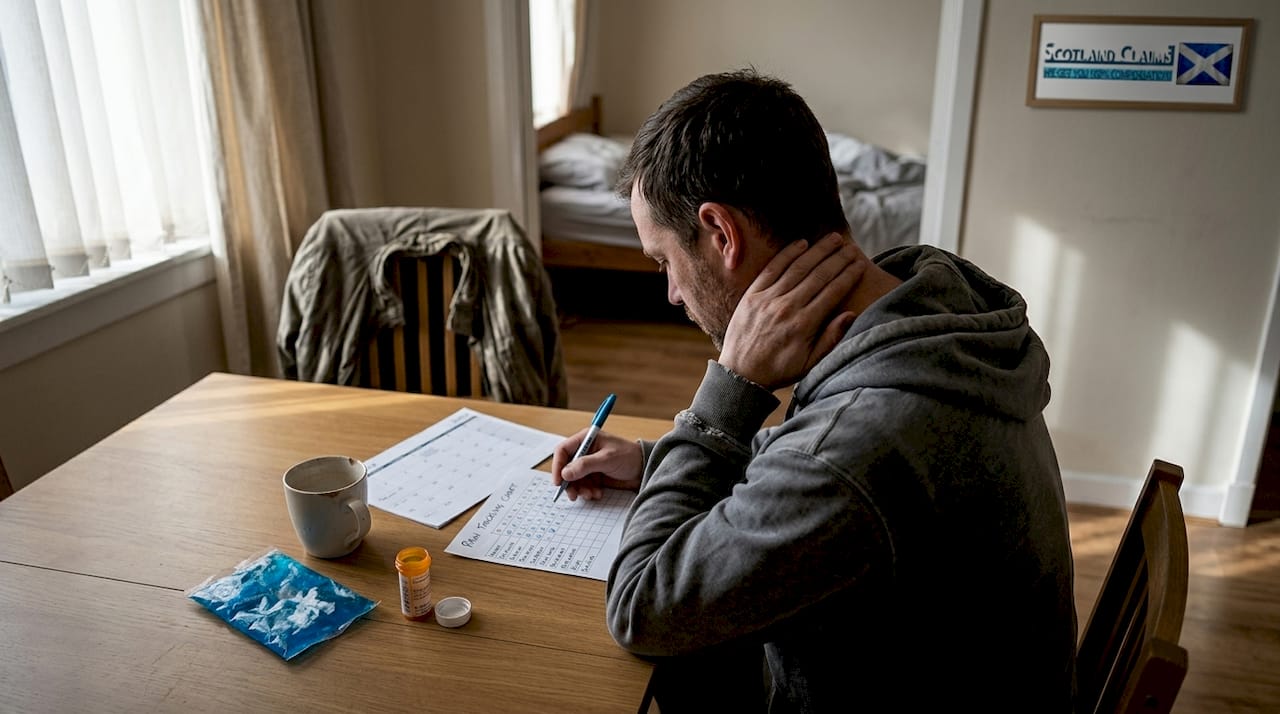
For lost earnings, a letter from your employer confirming the time off and any lost pay is standard. If you are self-employed, recent tax returns and invoices showing a drop in work can be used. The more organised your records, the stronger your claim for these items becomes.
The role of the medical prognosis
Your medical prognosis is the foundation of both general damages and any future losses. A consultant or GP will examine you, review your symptoms and give a professional opinion on how long your recovery is expected to take and whether any permanent effects are likely. In Scotland, the courts place significant weight on this evidence.
If the prognosis shows that your whiplash will resolve fully within a few months, the claim will be relatively straightforward. If it indicates chronic pain or long-term restriction of movement, the compensation will be higher because the impact on your life is greater. This is why it is worth seeing a doctor as soon as possible after the accident and attending all follow-up appointments.
What whiplash compensation does not cover
Compensation is not a windfall. It is designed to put you back in the position you would have been in had the accident not happened, as far as money can do that. It does not cover emotional distress alone, unless that distress is linked to a diagnosed psychological condition such as post-traumatic stress disorder. It also does not cover damage to your vehicle, which is dealt with separately through your motor insurance.
Understanding these limits helps you set realistic expectations. A claim that is well prepared with clear evidence of losses and a strong medical prognosis is more likely to achieve a fair outcome.
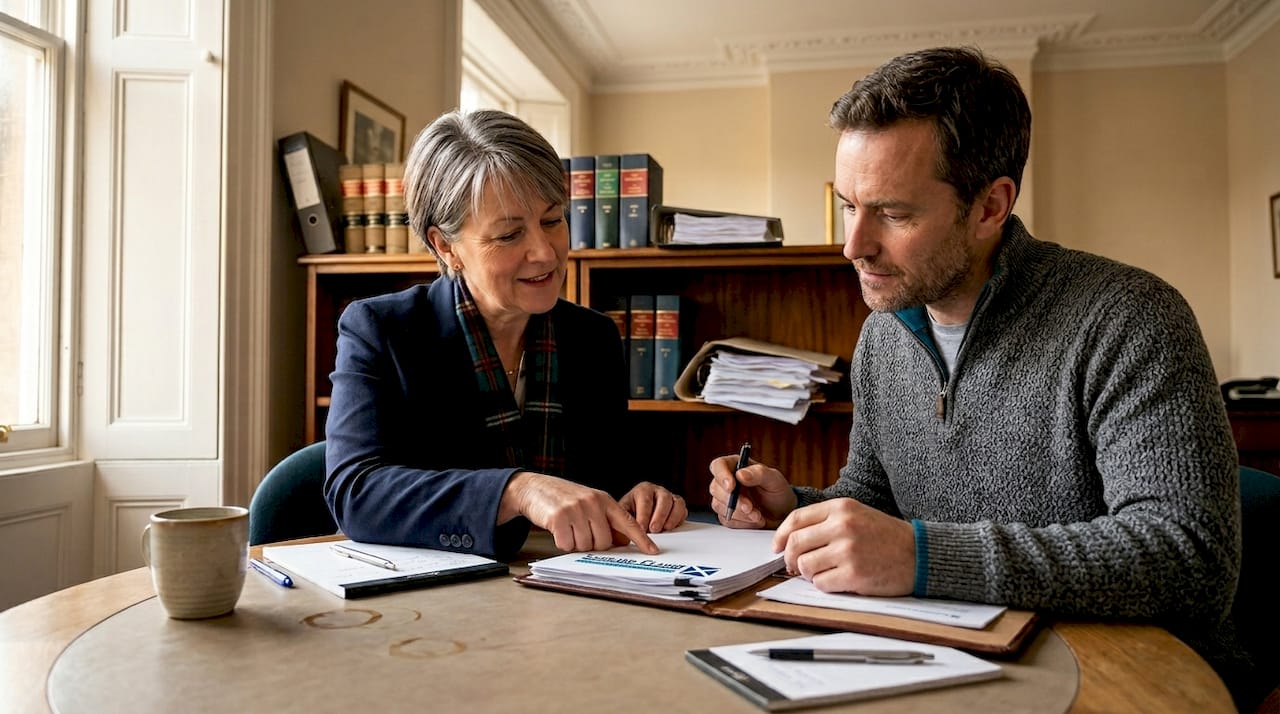
If you are considering making a claim, it is sensible to speak with solicitors who understand the Scottish legal system. The team at Scotland Claims Injury Lawyers can advise on what evidence you need and how to value each part of your claim. They work on a no win no fee basis, which means you do not pay legal fees unless your claim succeeds.

Every case is different. The amount you receive will depend on the severity of your injury, how it affects your daily life and the quality of the evidence you provide. By understanding what compensation covers and how it is calculated, you are better placed to make informed decisions about your claim.
In summary, whiplash compensation in Scotland is made up of general damages for pain and suffering, and special damages for financial losses. Future losses can be included if the injury has lasting effects. Proper evidence and a clear medical prognosis are essential to getting the right outcome. For tailored legal advice, Scotland Claims Injury Lawyers offer free initial consultations to help you understand your options.